
$ 95.68
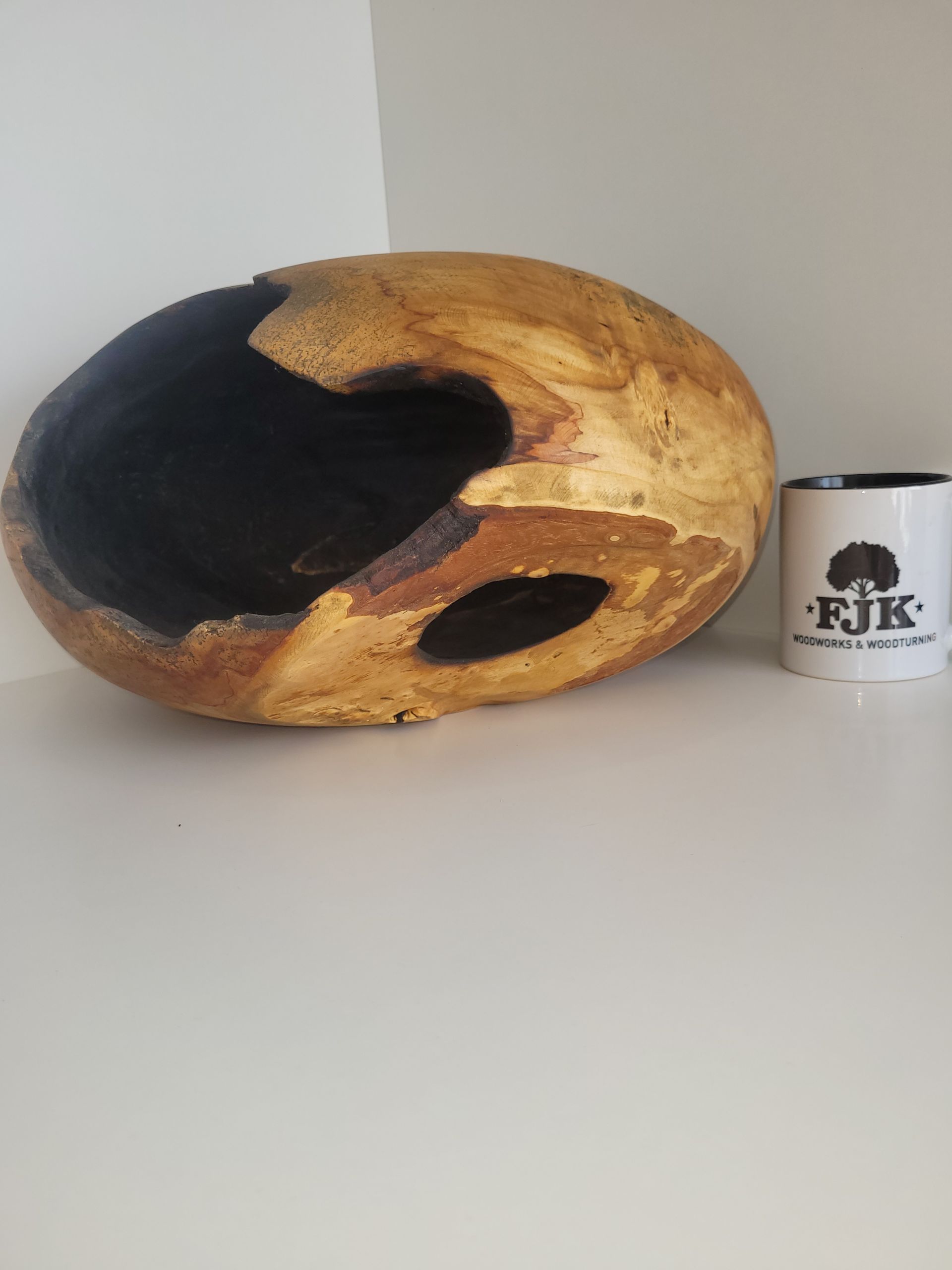
This piece is a decayed spalted horse chestnut hollow form, showcasing a truly unique and organic design that highlights the natural beauty and irregularity of the wood. The decay and spalting have created intricate patterns and voids within the form, giving it an almost otherworldly appearance. The natural color variations, ranging from light to dark tones, emphasize the contrast between the decayed sections and the more solid areas of the wood. Overview: This hollow form is an exquisite example of the art of woodturning, where the natural elements of decay and spalting have been meticulously preserved and highlighted. The piece is formed from a single block of horse chestnut, a wood known for its light color and fine grain. Over time, the wood has undergone a natural process of decay and spalting, which has resulted in dark lines, contrasting colors, and intriguing voids within the piece. Design and Aesthetic: Shape: The form is rounded and hollow, with a somewhat irregular, organic shape that has been influenced by the natural decay of the wood. The voids and openings in the piece give it an airy, sculptural quality, allowing light to pass through and creating dynamic shadows and highlights. Texture: The surface of the form is smooth where the wood remains solid, while the decayed areas have a rougher, more textured feel. The juxtaposition between the smooth and rough textures adds to the tactile appeal of the piece. Color: The spalting has introduced dark, almost black lines and patches to the wood, which contrast beautifully with the lighter, golden-brown areas. The spalting lines follow the natural grain of the wood, creating an intricate web of patterns that draw the eye and add depth to the piece. Open Voids: The decay process has resulted in several open voids within the form. These voids are not only visually interesting but also tell the story of the wood’s life and the natural forces that shaped it. The irregular edges of these voids have been carefully sanded to maintain their organic feel without compromising the piece’s integrity. Craftsmanship: Turning Process: Creating this piece would have required a high level of skill and patience. The woodturner would have had to carefully balance the desire to preserve the natural decay with the need to create a stable, aesthetically pleasing form. This involves delicate tool work, especially around the fragile decayed areas. Finishing: The wood has been carefully sanded and finished to enhance its natural beauty while providing protection. A clear, possibly oil-based finish, has been applied to bring out the rich colors and highlight the contrast between the solid wood and the decayed sections. Artistic Value: This piece is more than just a functional object; it’s a work of art that celebrates the beauty of nature’s imperfections. The combination of decay and preservation makes it a powerful symbol of the passage of time and the beauty that can be found in the natural world’s processes. It would be an excellent addition to any collection of fine woodturning, especially for those who appreciate the wabi-sabi aesthetic—the beauty of things imperfect, impermanent, and incomplete. Display and Use: Given its unique shape and the delicate nature of the decayed sections, this hollow form is best displayed in a place where it can be appreciated from multiple angles. It could be set on a pedestal or a low table, where viewers can engage with its form and textures up close. While it could serve as a purely decorative object, it might also be used as a centerpiece or conversation piece in a gallery or home setting. Conclusion: This decayed spalted horse chestnut hollow form is a testament to the skill of the woodturner and the inherent beauty of wood in all its stages of life. It’s a piece that invites contemplation, encouraging the viewer to consider the natural processes that shaped it and the artistry involved in its creation. It’s not just a piece of wood—it’s a narrative of time, decay, and renewal, captured in a form that is as striking as it is thought-provoking. This piece is 400mm wide x 220mm high. Care & MaintenanceProper care and maintenance of your handcrafted wooden items are essential to preserve their beauty and longevity. At FJK Woodworks & Woodturning, we use high-quality materials and finishes to ensure that our products stand the test of time, but wooden products require specific care to avoid damage. Click here to read more about Care & Maintenance
Related products
-
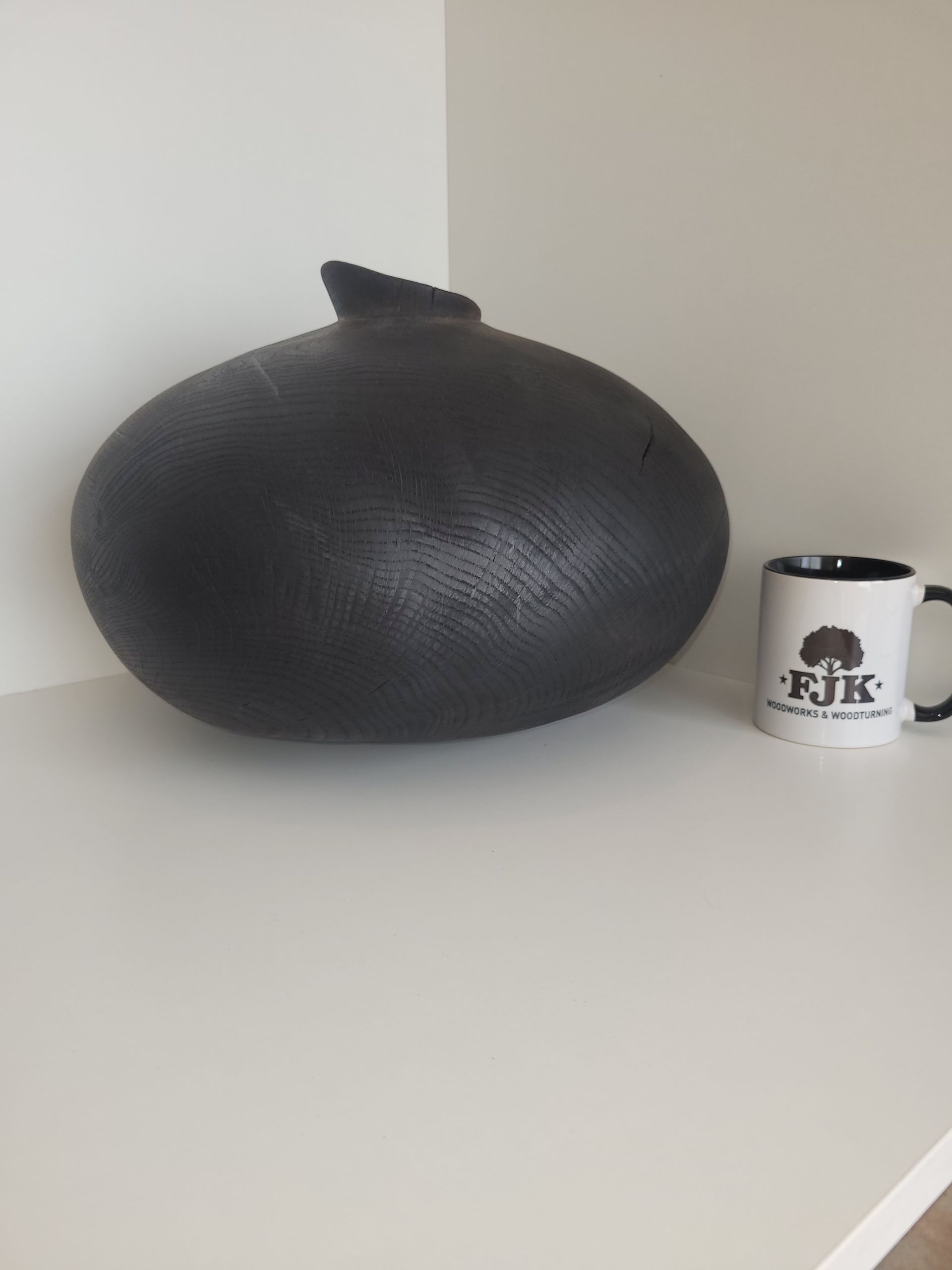 Live edge ebonised oak vesselAdd to cart
-
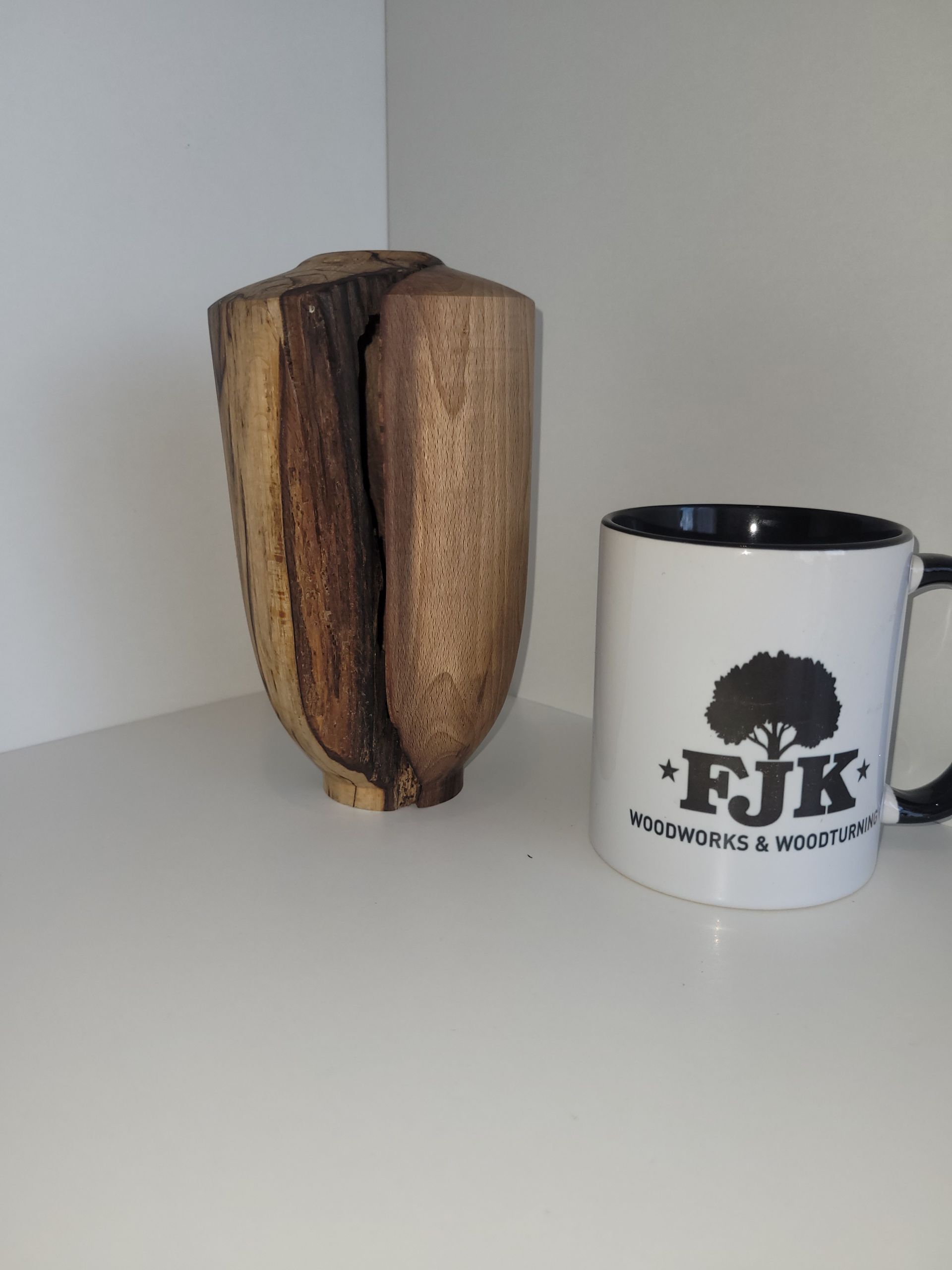 Decayed spalted beech vesselAdd to cart
-
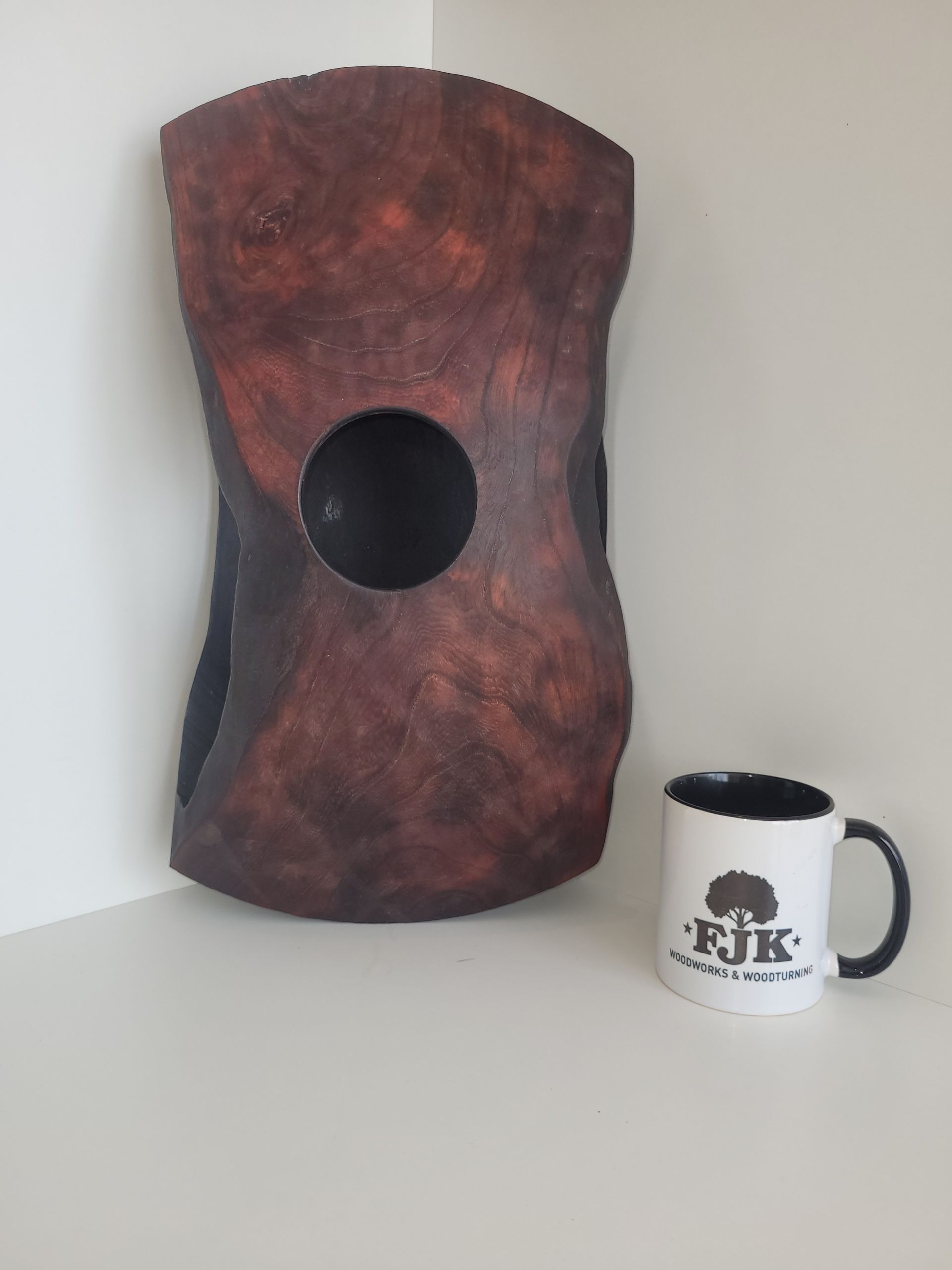 Dyed red Elm Hollow formAdd to cart
-
Decayed spalted horse chestnutSelect options
This product has multiple variants. The options may be chosen on the product page